
Star or lunar mansion
Makatsugū
摩竭宮
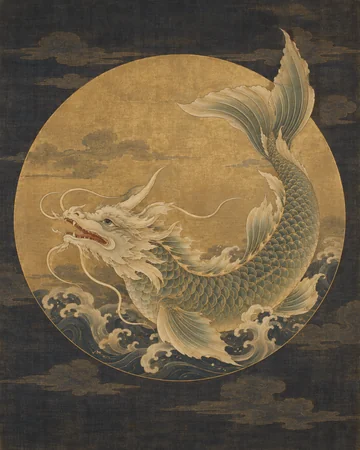
Listed as one of the Twelve Palaces (Jūnikyū) and described as the same as Capricorn. The Twelve Palaces divide the ecliptic, the path of the sun, into twelve, and they were also taken into Buddhist texts related to Sukuyō astrology.
This introduction is based on materials from Shōhōin (Tobi Fudō). It is summarized within the scope of the beliefs and traditions those materials convey, and does not present explanations or customs common to all schools, shrines, and temples.
English pages are the site’s own translations of its Japanese pages. The sources cited are in Japanese. 日本語で読む
The name and role of Makatsugū
Listed as one of the Twelve Palaces and described as the same as Capricorn. Makatsu is a monstrous fish that appears in Indian tales; a tradition that a wish-fulfilling jewel (nyoi hōju) can be taken from its brain is introduced, and Saturn, black and lead are given as its symbols.
Source: 飛不動尊 正宝院・飛不動尊 正宝院・飛不動尊 正宝院
Dividing the sun's path into twelve
The Twelve Palaces treat the ecliptic as twelve divisions. They were also taken into Buddhist texts related to Sukuyō astrology, where names corresponding to the twelve zodiac signs known from Western astrology appear in different kanji. The figures depicted here are images that represent the stars and divisions as deities.
Source: 飛不動尊 正宝院
Reading it as the history of Sukuyō
Shōhōin notes that the Twelve Palaces appear in texts such as the Sukuyō Kyō and the Shichiyō Jōsai Ketsu. They belong to a history in which astronomy and religion met: reading the positions of the stars, making calendars, and performing prayers to remove misfortune.
Source: 飛不動尊 正宝院