
Disciple or founding teacher
Sobinda Sonja
蘇頻陀尊者
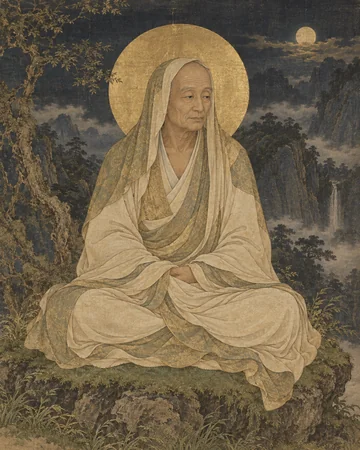
This venerable one (sonja) is listed as one of the Sixteen Arhats (Jūroku Rakan). The Sixteen Arhats are revered as disciples who carry the role of passing Shaka's teachings on to later generations. "Rakan" means a person who has attained awakening through practice.
This introduction is based on materials from Shōhōin (Tobi Fudō). It is summarized within the scope of the beliefs and traditions those materials convey, and does not present explanations or customs common to all schools, shrines, and temples.
English pages are the site’s own translations of its Japanese pages. The sources cited are in Japanese. 日本語で読む
The name and role of Sobinda Sonja
This venerable one is listed as one of the Sixteen Arhats. He is described as having lived in Hokkurushū. The text consists of this one sentence only.
Source: 飛不動尊 正宝院・飛不動尊 正宝院
The role of the Sixteen Arhats: those who carry on the teachings
Rakan is short for "arakan" (arhat), and refers to a person worthy of respect who has attained awakening through practice. The Sixteen Arhats are revered as a group of Shaka's outstanding disciples and carry the role of passing the teachings on to later generations. Unlike the deities who appear in myths, they are honored through their figures as practitioners walking the Buddhist path.
Source: 飛不動尊 正宝院
Faith in arhats who stay close to people
The Kyoto National Museum explains that in China, arhats were deeply revered as beings who, though awakened, stay close to people in this world and bring them happiness. Paintings of arhats brought from China also became models for Japanese painting. Their figures practicing among rocky mountains and by the water, and their individual expressions, are visual expressions of that faith.
Source: 京都国立博物館
Related kami and buddhas
Sources (in Japanese)
- 飛不動尊 正宝院「仏様の世界:蘇頻陀尊者」(2026-10-14 確認)
- 飛不動尊 正宝院「仏様の世界:目次」(2026-10-14 確認)
- 飛不動尊 正宝院「仏様の世界:十六羅漢」(2026-10-14 確認)
- 京都国立博物館「中国の羅漢図」(2026-10-15 確認)
- 龍雲山 太興院「太興院の仏さま:十六羅漢・観音(接賓)」(2026-10-16 確認)