
Buddha (nyorai)
Zenmyōshō Kichijōō Nyorai
善名称吉祥王如来
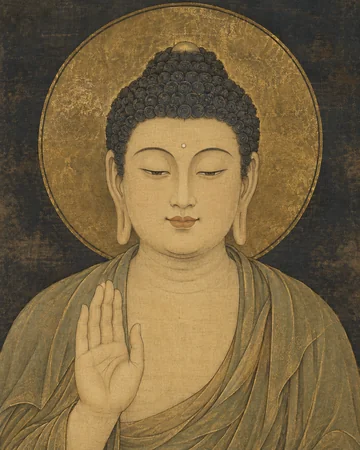
This is one of the Seven Yakushi Buddhas (Shichibutsu Yakushi). The first vow in the Yakushi Rurikō Shichibutsu Hongan Kudoku-kyō teaches the wish to save people suffering from illness and lead them to awakening.
This introduction is based on materials from Shōhōin (Tobi Fudō). It is summarized within the scope of the beliefs and traditions those materials convey, and does not present explanations or customs common to all schools, shrines, and temples.
English pages are the site’s own translations of its Japanese pages. The sources cited are in Japanese. 日本語で読む
The wish for people seen in the first vow
The first vow in this sutra teaches the wish to save people suffering from illness and lead them to awakening. This is one example of the original vows taught in the sutra, and does not set out all of this buddha's vows.
Source: CBETA/義浄訳
The pure land described in the sutra
The Yakushi Rurikō Shichibutsu Hongan Kudoku-kyō, translated by Gijō, records the name of the pure land as "Mushō" and depicts it as lying in the east beyond countless buddha worlds. Shōhōin's introduction uses the name "Kōshōkoku." The differences between the sources are presented separately here.
Source: CBETA/義浄訳・飛不動尊 正宝院
Seven pure lands in the east, and prayers for good health
The Seven Yakushi Buddhas are a group of buddhas, from Zenmyōshō Kichijōō Nyorai to Yakushi Rurikō Nyorai, said to dwell in seven pure lands in the east. Within faith in Yakushi, they are worshipped with prayers for things such as salvation from the suffering of illness. The pure land of the last, Yakushi Rurikō Nyorai, is called the Pure Land of Lapis Lazuli (Jōruri Jōdo).
Source: 飛不動尊 正宝院
Prayers handed down as the Shichibutsu Yakushi ritual
Shōhōin introduces the Shichibutsu Yakushi ritual, in which seven Yakushi images are worshipped, and the tradition that Ryōgen of the Tendai school prayed with it for safe childbirth in the regent families (sekkanke). This is the history of a ritual that treats the seven buddhas as one set.
Source: 飛不動尊 正宝院
Related kami and buddhas
Sources (in Japanese)
- 飛不動尊 正宝院「仏様の世界:善名称吉祥王如来」(2026-10-14 確認)
- 飛不動尊 正宝院「仏様の世界:目次」(2026-10-14 確認)
- 飛不動尊 正宝院「仏様の世界:七仏薬師」(2026-10-14 確認)
- CBETA/義浄訳「薬師瑠璃光七仏本願功徳経(大正蔵14・451)」(2026-10-16 確認)