
Deva (ten) or guardian deity
Kongō Dōji
金剛童子
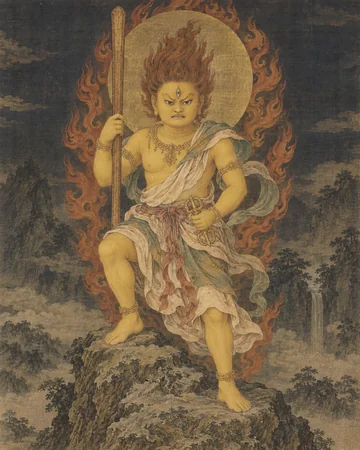
At Shōhōin, Kongō Dōji is explained as a dōji that represents the power of the vajra as a deity. There are types such as a two-armed form and a four-armed form, and there are also differing traditions about the objects held and the body color.
This introduction is based on materials from Shōhōin (Tobi Fudō). It is summarized within the scope of the beliefs and traditions those materials convey, and does not present explanations or customs common to all schools, shrines, and temples.
English pages are the site’s own translations of its Japanese pages. The sources cited are in Japanese. 日本語で読む
A dōji expressing the power of the vajra
At Shōhōin, Kongō Dōji is explained as a dōji that represents the power of the vajra as a deity. There are types such as a two-armed form and a four-armed form, and there are also differing traditions about the objects held and the body color.
Source: 飛不動尊 正宝院
A deity name also handed down in Hakusan Shugendō
The Nara National Museum introduces a statue of Kongō Dōji connected with Hakusan Shugendō. It explains that while Kongō Dōji is depicted in a form resembling Seitaka, the museum's statue is closer to Kongara with palms joined, so even under the same name, Kongō Dōji, images vary.
Source: 奈良国立博物館
Sources (in Japanese)
- 飛不動尊 正宝院「仏様の世界:金剛童子」(2026-10-14 確認)
- 飛不動尊 正宝院「仏様の世界:目次」(2026-10-14 確認)
- 奈良国立博物館「金剛童子立像」(2026-10-15 確認)