
Bodhisattva (bosatsu)
Kongōtō Jizō
金剛幢地蔵
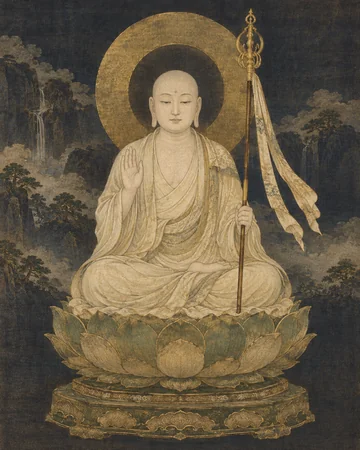
This is Jizō Bosatsu, introduced as one of the Six Jizō.
This introduction is based on materials from Shōhōin (Tobi Fudō). It is summarized within the scope of the beliefs and traditions those materials convey, and does not present explanations or customs common to all schools, shrines, and temples.
English pages are the site’s own translations of its Japanese pages. The sources cited are in Japanese. 日本語で読む
The name and role of Kongōtō Jizō
This is Jizō Bosatsu, introduced as one of the Six Jizō. It is explained as a Jizō with the work of saving from the world of the asura, and the text briefly records only its form and role.
Source: 飛不動尊 正宝院・飛不動尊 正宝院・飛不動尊 正宝院
Tracing the form and the traditions
It is said to hold a kongōtō (金剛幢) in the left hand and to form the semui-in mudra with the right hand. The name "Kongōtō" also appears among the Sixteen Great Bodhisattvas. There is an explanation linking that bodhisattva with Jizō Bosatsu, but the sources consulted here do not establish that it is the same as this figure of the Six Jizō.
Source: 飛不動尊 正宝院・飛不動尊 正宝院・飛不動尊 正宝院・飛不動尊 正宝院
Staying close to the suffering of the six worlds
The Six Jizō are a faith in Jizō Bosatsu saving the beings of each of the six realms: hell, hungry ghosts, animals, asura, humans and heavenly beings. They have been enshrined at places such as cemetery entrances, with prayers for the salvation of those who have died. Seen together, the six figures express Jizō's work of bringing salvation to every condition of life.
Source: 浄土宗
The Six Jizō have several lines of names
Shōhōin lists one set of six that includes 預天賀地蔵 and another set of six that includes 地持地蔵. The combinations of names, forms and objects held are not fixed. This site also keeps the two lines separate, and does not mean that all twelve form one set of Six Jizō.
Source: 飛不動尊 正宝院
Related kami and buddhas
Sources (in Japanese)
- 飛不動尊 正宝院「仏様の世界:金剛幢地蔵」(2026-10-14 確認)
- 飛不動尊 正宝院「仏様の世界:目次」(2026-10-14 確認)
- 飛不動尊 正宝院「仏様の世界:六地蔵」(2026-10-14 確認)
- 浄土宗「新纂浄土宗大辞典:六地蔵」(2026-10-15 確認)
- 飛不動尊 正宝院「仏様の世界:金剛幢」(2026-10-14 確認)