
Bodhisattva (bosatsu)
Daizuigu Bosatsu
大隋求菩薩
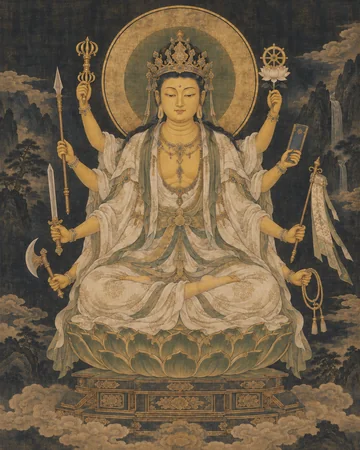
Daizuigu Bosatsu is worshipped as a figure who removes suffering in response to people's wishes. Shōhōin introduces a wide range of wishes, from the removal of disasters such as war and storms to being blessed with children. The bodhisattva's protective working is expressed in many arms and the objects they hold.
This introduction is based on materials from Shōhōin (Tobi Fudō). It is summarized within the scope of the beliefs and traditions those materials convey, and does not present explanations or customs common to all schools, shrines, and temples.
English pages are the site’s own translations of its Japanese pages. The sources cited are in Japanese. 日本語で読む
Daizuigu Bosatsu, who responds to what people seek
Daizuigu Bosatsu is worshipped as a figure who removes suffering in response to people's wishes. Shōhōin introduces a wide range of wishes, from the removal of disasters such as war and storms to being blessed with children. The bodhisattva's protective working is expressed in many arms and the objects they hold.
Source: 飛不動尊 正宝院
The faith handed down at Kiyomizudera's Zuigudō
At the Zuigudō of Kiyomizudera, Daizuigu Bosatsu, who hears people's wishes, is enshrined as a hidden buddha (hibutsu). Kami and buddhas connected with good relationships, safe childbirth, and raising children are also enshrined in the hall, which is also known as a place for tainai meguri (walking through the "womb"). Many prayers of daily life gather in this one hall.
Source: 音羽山 清水寺
Mantra (in Japanese, as written in the sources)
おん ばらばら さんばら さんばら いんだりや びしゅだねい うんうん ろろ しゃれい そわか。
Source: 飛不動尊 正宝院
Shown as written in the Japanese sources. This site does not set how or how many times to recite it.
Sources (in Japanese)
- 飛不動尊 正宝院「仏様の世界:大隋求菩薩」(2026-10-14 確認)
- 飛不動尊 正宝院「仏様の世界:目次」(2026-10-14 確認)
- 音羽山 清水寺「VISIT:Zuigu-do Hall」(2026-10-15 確認)
- 鹿鳴文庫「仏像図彙:大随求菩薩」(2026-10-15 確認)