
Disciple or founding teacher
En no Gyōja
役行者
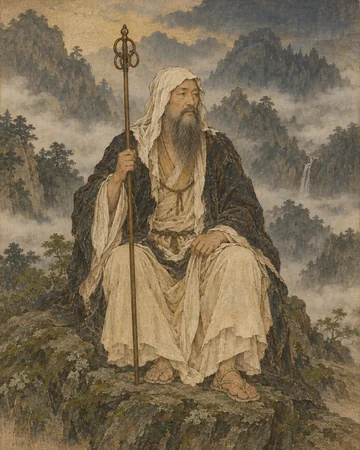
En no Gyōja, also called En no Ozunu, is revered as the founder of Shugendō. Kinpusen-ji conveys the Shugendō tradition of practicing in nature with the mountains as the place of training, and its connection with En no Gyōja. In later times he was also called by the honorific title Jinben Daibosatsu.
This introduction is based on materials from Shōhōin (Tobi Fudō). It is summarized within the scope of the beliefs and traditions those materials convey, and does not present explanations or customs common to all schools, shrines, and temples.
English pages are the site’s own translations of its Japanese pages. The sources cited are in Japanese. 日本語で読む
En no Gyōja, revered as the founder of mountain practice
En no Gyōja, also called En no Ozunu, is revered as the founder of Shugendō. Kinpusen-ji conveys the Shugendō tradition of practicing in nature with the mountains as the place of training, and its connection with En no Gyōja. In later times he was also called by the honorific title Jinben Daibosatsu.
Source: 金峯山寺・飛不動尊 正宝院
Demons who harmed people become helpers in practice
According to Kinpusen-ji's temple tradition, En no Gyōja taught and converted a demon couple who had been carrying off people's children, and made them his followers as Zenki and Goki. It has been handed down as a story not simply of driving away evil, but of turning it into a power that helps practice.
Source: 金峯山寺
Perceiving Zaō Gongen
At the center of the faith of Yoshino and Ōmine is the origin story that En no Gyōja prayed in the mountains for the salvation of people and perceived Zaō Gongen. These supernatural events have been handed down as religious traditions about En no Gyōja.
Source: 国土交通省 観光庁
Mantra (in Japanese, as written in the sources)
オン ギャクギャク エンノウバソク アランキャ ソワカ
Source: 大峯山護持院 櫻本坊
Shown as written in the Japanese sources. This site does not set how or how many times to recite it.