
Deva (ten) or guardian deity
Kojima Kōjin
小島荒神
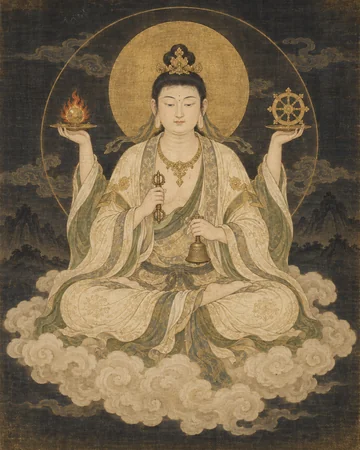
Shōhōin introduces a four-armed form under the name "小島荒神" (Kojima Kōjin). A cultural property explanation from Gifu Prefecture uses the spelling "子島荒神" and describes a four-armed form wearing a crown and holding up a jewel and a precious wheel. This entry lets one trace differences in spelling between sources and in types of statues.
This introduction is based on materials from Shōhōin (Tobi Fudō). It is summarized within the scope of the beliefs and traditions those materials convey, and does not present explanations or customs common to all schools, shrines, and temples.
English pages are the site’s own translations of its Japanese pages. The sources cited are in Japanese. 日本語で読む
The image of a Kōjin with four arms
Shōhōin introduces a four-armed form under the name "小島荒神" (Kojima Kōjin). A cultural property explanation from Gifu Prefecture uses the spelling "子島荒神" and describes a four-armed form wearing a crown and holding up a jewel and a precious wheel. This entry lets one trace differences in spelling between sources and in types of statues.
Source: 飛不動尊 正宝院・岐阜県
Background shared by faith in Kōjin
Kōjin has the character of protecting the Three Treasures, and several kinds of images have been handed down, such as a form with three faces and six arms and a form as a heavenly being (tenbu). Kiyoshi Kōjin Seichō-ji, which enshrines Sanbō Kōjin as the guardian deity of its principal object of worship, Dainichi Nyorai, is one of the temples that hand down this faith.
Source: 岐阜県・清荒神清澄寺
Related kami and buddhas
Sources (in Japanese)
- 飛不動尊 正宝院「仏様の世界:小島荒神」(2026-10-14 確認)
- 飛不動尊 正宝院「仏様の世界:目次」(2026-10-14 確認)
- 岐阜県「紙本著色三宝荒神図」(2026-10-15 確認)
- 清荒神清澄寺「よくあるご質問」(2026-10-15 確認)