
Deva (ten) or guardian deity
Marishiten
摩利支天
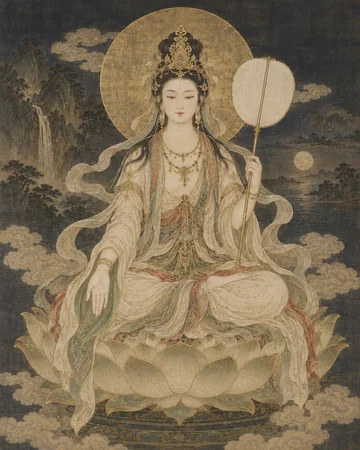
The name Marishiten comes from a Sanskrit word meaning light or heat haze. Zenkyo-an explains that, from the nature of heat haze, which can be neither caught nor harmed, a devotion to protecting oneself by avoiding harm spread.
This introduction is based on materials published by shrines, temples, and schools, starting with Shōhōin. It is summarized within the scope of the beliefs and traditions those materials convey, and does not present explanations or customs common to all schools, shrines, and temples.
English pages are the site’s own translations of its Japanese pages. The sources cited are in Japanese. 日本語で読む
A heavenly deity of self-protection, named from heat haze
The name Marishiten comes from a Sanskrit word meaning light or heat haze. Zenkyo-an explains that, from the nature of heat haze, which can be neither caught nor harmed, a devotion to protecting oneself by avoiding harm spread.
Source: 建仁寺塔頭 禅居庵
A guardian deity revered by warriors
Zenkyo-an relates that Kusunoki Masashige and Maeda Toshiie went into battle with small images of Marishiten placed in their helmets. Marishiten received prayers for protection amid war, and there are forms accompanied by a boar and forms resembling a celestial maiden, among others.
Source: 建仁寺塔頭 禅居庵
The origin story of protecting a Zen master crossing the sea
Zenkyo-an's origin story tells that Marishiten, riding a boar, appeared before Zen master Seisetsu Shōchō, urged him to make the voyage to Japan and vowed to protect him. The master is said to have made an image of the deity, carried it on the ship, prayed even amid wind and waves, and arrived safely in Hakata.
Source: 建仁寺塔頭 禅居庵
The wish to avoid danger and protect oneself
Zenkyo-an explains that heat haze cannot be caught or harmed as the background to devotion to Marishiten. Warriors, too, revered Marishiten out of a wish to protect themselves from danger. That it has been handed down as a devotion of protection by avoiding harm is a clue for knowing where to pay a visit.
Source: 建仁寺塔頭 禅居庵
Mantra (in Japanese, as written in the sources)
おん まりしえい そわか。
Source: 飛不動尊 正宝院
オン アニチヤ マリシエイ ソワカ
Source: Wikipedia
Shown as written in the Japanese sources. This site does not set how or how many times to recite it.
Sources (in Japanese)
- 飛不動尊 正宝院「仏様の世界:摩利支天」(2026-10-14 確認)
- 飛不動尊 正宝院「仏様の世界:目次」(2026-10-14 確認)
- 建仁寺塔頭 禅居庵「摩利支天について」(2026-10-15 確認)
- Wikipedia「摩利支天(真言の節)」(2026-10-19 確認)