
Deity of shinbutsu shūgō (kami–buddha syncretism)
Izu Hakone Gongen
伊豆箱根権現
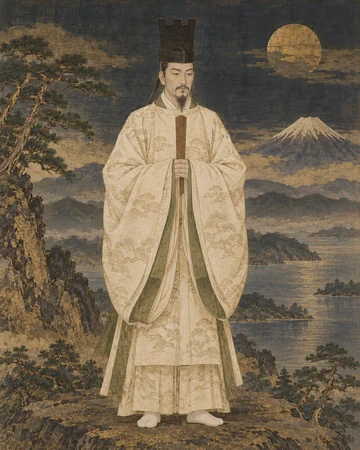
The name Izu Hakone Gongen connects with the history of two sacred sites: Izu Sōtō Gongen and Hakone Gongen. Hakone Jinja explains that Minamoto no Yoritomo began the "Nisho-mōde," visits to both places, which became a regular pilgrimage of the shogun's house. Rather than reading it as the name of a single kami, it can be understood as a name for sacred sites of the faith combining kami and buddhas.
This introduction is based on materials from Shōhōin (Tobi Fudō). It is summarized within the scope of the beliefs and traditions those materials convey, and does not present explanations or customs common to all schools, shrines, and temples.
English pages are the site’s own translations of its Japanese pages. The sources cited are in Japanese. 日本語で読む
Izu and Hakone: the name of two sacred sites
The name Izu Hakone Gongen connects with the history of two sacred sites: Izu Sōtō Gongen and Hakone Gongen. Hakone Jinja explains that Minamoto no Yoritomo began the "Nisho-mōde," visits to both places, which became a regular pilgrimage of the shogun's house. Rather than reading it as the name of a single kami, it can be understood as a name for sacred sites of the faith combining kami and buddhas.
Source: 箱根神社
From safety on the road to faith for good fortune and warding off misfortune
Hakone Jinja today enshrines Ninigi no Mikoto, Konohanasakuya-hime no Mikoto and Hikohohodemi no Mikoto as Hakone Ōkami, and presents good fortune and warding off misfortune, traffic safety, the fulfillment of heartfelt wishes and good connections as their divine virtues. It also tells of the history of people traveling the Hakone road who prayed for safety. These are the present-day explanations of Hakone Jinja.
Source: 箱根神社
Mangan Shōnin and Hakone Sansho Gongen
The shrine's history tells that Mangan Shōnin received an oracle from Hakone Ōkami and built a shrine building at the present site in 757. Hakone Sansho Gongen also became connected with Shugendō. Such founding stories are read as distinct from the dates of the shrine buildings that survive today.
Source: 箱根神社
Sources (in Japanese)
- 飛不動尊 正宝院「仏様の世界:伊豆箱根権現」(2026-10-14 確認)
- 飛不動尊 正宝院「仏様の世界:目次」(2026-10-14 確認)
- 箱根神社「箱根神社・九頭龍神社・箱根元宮の由緒並に宝物と文化財」(2026-10-15 確認)