
Bodhisattva (bosatsu)
Semui Bosatsu
施無畏菩薩
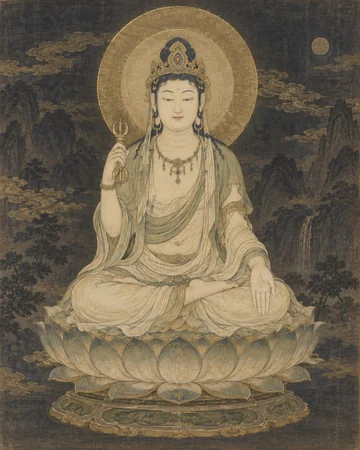
Semui means removing fear and giving peace of mind. In the Fumon-bon chapter of the Lotus Sutra, the name Semuisha (giver of fearlessness) is used for Kannon, who saves people caught in fear. Shōhōin assigns Semui Bosatsu to the twenty-second day of the Thirty-day Hidden Buddhas (sanjūnichi hibutsu).
This introduction is based on materials from Shōhōin (Tobi Fudō). It is summarized within the scope of the beliefs and traditions those materials convey, and does not present explanations or customs common to all schools, shrines, and temples.
English pages are the site’s own translations of its Japanese pages. The sources cited are in Japanese. 日本語で読む
Helping people be free from fear
Semui means removing fear and giving peace of mind. In the Fumon-bon chapter of the Lotus Sutra, the name Semuisha (giver of fearlessness) is used for Kannon, who saves people caught in fear. Shōhōin assigns Semui Bosatsu to the twenty-second day of the Thirty-day Hidden Buddhas (sanjūnichi hibutsu).
Source: 広済寺・飛不動尊 正宝院
The raised-hand mudra, and the form in this source
Semui is also a word used to describe a hand gesture, but this image from Shōhōin is introduced in a type with a three-pronged vajra (sankosho) in the right hand and the wish-granting mudra (yogan-in) with the left. The meaning of the name and the hand gestures formed by individual images can be considered separately.
Source: 飛不動尊 正宝院
Mantra (in Japanese, as written in the sources)
ノウマク サンマンダ ボダナン アバエンダダ ソワカ
Source: CBETA 電子佛典(大正新脩大藏經 第18冊 No.848)
Shown as written in the Japanese sources. This site does not set how or how many times to recite it.
Related kami and buddhas
Sources (in Japanese)
- 飛不動尊 正宝院「仏様の世界:施無畏菩薩」(2026-10-14 確認)
- 飛不動尊 正宝院「仏様の世界:目次」(2026-10-14 確認)
- 広済寺「法華経解説:観世音菩薩普門品第二十五」(2026-10-15 確認)
- CBETA 電子佛典(大正新脩大藏經 第18冊 No.848)「大毘盧遮那成佛神變加持經(大日経)巻第四 密印品:施無畏者印の真言」(2026-10-22 確認)