
Bodhisattva (bosatsu)
Metsuakushu
滅悪趣
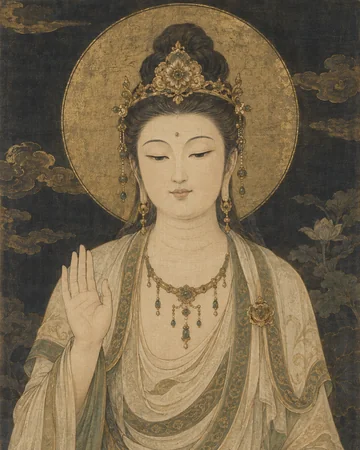
At Shōhōin, Metsuakushu is introduced as a form of Jizō Bosatsu and is also called Haakushu Bosatsu. The name is related to removing the suffering of the three evil realms (san'akushu): hell, hungry ghosts and animals. It is placed within Jizō's broad work of salvation.
This introduction is based on materials from Shōhōin (Tobi Fudō). It is summarized within the scope of the beliefs and traditions those materials convey, and does not present explanations or customs common to all schools, shrines, and temples.
English pages are the site’s own translations of its Japanese pages. The sources cited are in Japanese. 日本語で読む
Jizō's work of saving beings from the evil realms
At Shōhōin, Metsuakushu is introduced as a form of Jizō Bosatsu and is also called Haakushu Bosatsu. The name is related to removing the suffering of the three evil realms (san'akushu): hell, hungry ghosts and animals. It is placed within Jizō's broad work of salvation.
Source: 飛不動尊 正宝院・浄土宗
Jizō and devotion to the Ten Kings
Shōhōin explains this deity as a being related to the Jūō Kyō. Devotion to the Ten Kings (Jūō) is a tradition of judgment and memorial rites after death that developed in China and was also transmitted to Japan. Stories of strict judgment and Jizō's work of saving those who suffer have been linked to each other.
Source: 飛不動尊 正宝院・奈良国立博物館
Mantra (in Japanese, as written in the sources)
南麼三曼多勃馱喃 阿弊達囉儜薩埵馱敦 莎訶
Source: CBETA 電子佛典(大正新脩大藏經 第18冊 No.848)
Shown as written in the Japanese sources. This site does not set how or how many times to recite it.
Related kami and buddhas
Sources (in Japanese)
- 飛不動尊 正宝院「仏様の世界:滅悪趣」(2026-10-14 確認)
- 飛不動尊 正宝院「仏様の世界:目次」(2026-10-14 確認)
- 浄土宗「新纂浄土宗大辞典:地蔵菩薩」(2026-10-15 確認)
- 奈良国立博物館「十王図」(2026-10-15 確認)
- 鹿鳴文庫「仏像図彙:滅悪趣菩薩」(2026-10-15 確認)
- CBETA 電子佛典(大正新脩大藏經 第18冊 No.848)「大毘盧遮那成佛神變加持經(大日経)巻第四 密印品:除悪趣印の真言」(2026-10-22 確認)