
Kami (Shinto deity)
Kuni no Tokotachi no Kami
国之常立神
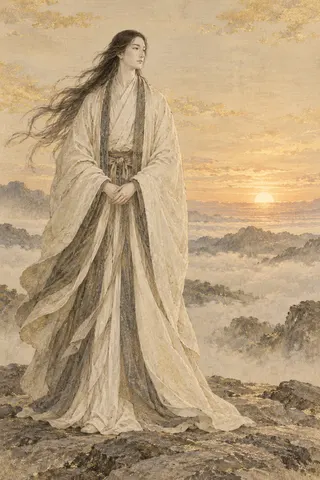
In the Kojiki, Kuni no Tokotachi appears first among the Kamiyo Nanayo (seven generations of the age of the kami), who follow the Kotoamatsukami. Kuni no Tokotachi appears as a hitorigami (single kami) without a paired kami, and is told to have hidden away.
This page introduces the myths told in the classics and the faith handed down in various places, with their sources. It does not guarantee that any particular wish will be fulfilled.
English pages are the site’s own translations of its Japanese pages. The sources cited are in Japanese. 日本語で読む
What kind of kami
In the Kojiki, Kuni no Tokotachi appears first among the Kamiyo Nanayo (seven generations of the age of the kami), who follow the Kotoamatsukami. Kuni no Tokotachi appears as a hitorigami (single kami) without a paired kami, and is told to have hidden away.
Source: 國學院大學
What the myths hand down
The Kamiyo Nanayo continue on to Izanagi no Kami and Izanami no Kami. Kuni no Tokotachi no Kami is the kami at their beginning, and is introduced within a structure that leads on to the later story of the birth of the land.
Source: 國學院大學
Links between the sources and faith
Kokugakuin University introduces interpretations such as one linking the name with the permanence of the land. We give Ame no Tokotachi no Kami of the Kotoamatsukami a separate entry, and do not identify the two on the basis of their similar names alone.
Source: 國學院大學
An example of a chant (in Japanese)
祓え給い、清め給え、神(かむ)ながら守り給い、幸(さきわ)え給え
Related shrines and temples
Sources (in Japanese)
- 國學院大學「古事記ビューアー・神名データベース「国之常立神」」(2026-10-15 確認)
- 國學院大學「古事記ビューアー・神名データベース「国之常立神」」(2026-10-15 確認)