
Deity of shinbutsu shūgō (kami–buddha syncretism)
Hongū
本宮
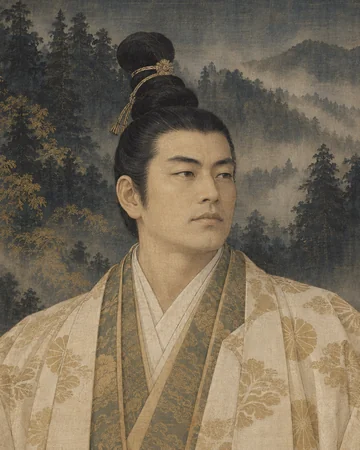
Shōhōin lists "Hongū" as a gongen whose honji-butsu (original buddha) is Amida Nyorai. The related Kumano Hongū Taisha explains that its principal kami is Ketsumimiko no Ōkami and that, in the era of the fusion of kami and buddhas, Amida Nyorai was regarded as its honji-butsu. It is a devotion in which the kami of Kumano and the wish for the Pure Land came together.
This introduction is based on materials published by shrines, temples, and schools, starting with Shōhōin. It is summarized within the scope of the beliefs and traditions those materials convey, and does not present explanations or customs common to all schools, shrines, and temples.
English pages are the site’s own translations of its Japanese pages. The sources cited are in Japanese. 日本語で読む
The kami of Kumano Hongū and devotion to Amida
Shōhōin lists "Hongū" as a gongen whose honji-butsu (original buddha) is Amida Nyorai. The related Kumano Hongū Taisha explains that its principal kami is Ketsumimiko no Ōkami and that, in the era of the fusion of kami and buddhas, Amida Nyorai was regarded as its honji-butsu. It is a devotion in which the kami of Kumano and the wish for the Pure Land came together.
Source: 飛不動尊 正宝院・熊野本宮大社
The Kumano pilgrimage and the wish for renewal
Kumano Hongū Taisha introduces Kumano as "a land of yomigaeri (renewal)." Pilgrimage on foot through deep mountains to the sacred site combined prayers to the kami with longing for the Pure Land of the buddhas. Devotion to the kami of Hongū as funadama, protecting the sea and ships, has also been handed down.
Source: 熊野本宮大社・熊野本宮大社
Three moons and the founding legend of Ōyunohara
In the origin story of Kumano Hongū Taisha, three moons appeared in a tree at Ōyunohara and announced that the central moon was Ketsumimiko no Ōkami and those on the left and right were the kami Fusumi and Hayatama, and asked that a shrine be built. It is a story handed down at the shrine in which prayer to nature, looking up to the kami, overlaps with devotion to them as gongen.
Source: 熊野本宮大社
The much-traveled Kumano pilgrimage and the former shrine site
Kumano Hongū Taisha explains that pilgrimage spread from the imperial family and nobles to warriors and common people, and that the sight of so many visitors was called "the ants' pilgrimage to Kumano" (ari no Kumano mōde). After the great flood of 1889, part of the shrine buildings moved to the present site, and a place of prayer has been carried on at the former shrine site, Ōyunohara.
Source: 熊野本宮大社
Related shrines and temples
Related kami and buddhas
Sources (in Japanese)
- 飛不動尊 正宝院「仏様の世界:本宮」(2026-10-14 確認)
- 飛不動尊 正宝院「仏様の世界:目次」(2026-10-14 確認)
- 熊野本宮大社「熊野本宮大社について」(2026-10-15 確認)
- 熊野本宮大社「聖地熊野」(2026-10-15 確認)