
Deity of shinbutsu shūgō (kami–buddha syncretism)
Nachi
那智
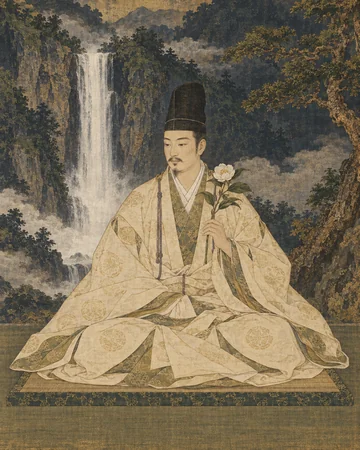
In the kami-buddha syncretism of Nachi, a faith that regards Kannon Bosatsu as the honjibutsu (original buddha) has been handed down. Kumano Nachi Taisha enshrines its principal kami, Kumano Fusumi no Ōkami, in the Musubi no Miya. The "musubi" in the kami's name is explained as the work of giving birth to and nurturing life and of binding people together.
This introduction is based on materials published by shrines, temples, and schools, starting with Shōhōin. It is summarized within the scope of the beliefs and traditions those materials convey, and does not present explanations or customs common to all schools, shrines, and temples.
English pages are the site’s own translations of its Japanese pages. The sources cited are in Japanese. 日本語で読む
The Musubi no Miya of Nachi and faith in Kannon
In the kami-buddha syncretism of Nachi, a faith that regards Kannon Bosatsu as the honjibutsu (original buddha) has been handed down. Kumano Nachi Taisha enshrines its principal kami, Kumano Fusumi no Ōkami, in the Musubi no Miya. The "musubi" in the kami's name is explained as the work of giving birth to and nurturing life and of binding people together.
Source: 熊野本宮大社・熊野那智大社
Prayers that bind many kinds of ties
At Kumano Nachi Taisha the kami is revered as one who binds not only ties between men and women but also people's wishes and many kinds of ties. On Mount Nachi, prayers to nature that look up at the waterfall, wishes for Kannon's Pure Land, and the history of people visiting the Three Kumano Shrines overlap.
Source: 熊野那智大社・熊野本宮大社
Yatagarasu who guides the way, and prayers that look up at the waterfall
The origin account of Kumano Nachi Taisha relates that Yatagarasu, who guided Emperor Jinmu's party, returned to Kumano. Within the shrine grounds it is enshrined with prayers for safety in travel and at sea, and for its work of guiding people in a good direction. At the detached shrine Hiryū Jinja, the Nachi no Otaki waterfall itself is the goshintai (object of worship), and people pray there for long life and freedom from misfortune. One can learn about the virtues of Nachi's principal kami separately from the faith of each shrine within the grounds and of the detached shrine.
Source: 熊野那智大社