
Deity of shinbutsu shūgō (kami–buddha syncretism)
Hachiōji
八王子
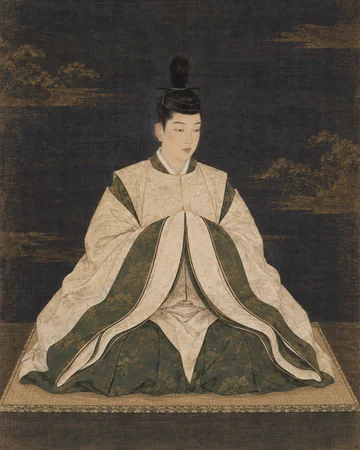
A name listed as one of the Sannō Shichisha Gongen, the gongen of the Seven Sannō Shrines. The Seven Sannō Shrines are a grouping of faith joining kami and buddhas, handed down at Mount Hiei and at Hiyoshi at its foot.
This introduction is based on materials from Shōhōin (Tobi Fudō). It is summarized within the scope of the beliefs and traditions those materials convey, and does not present explanations or customs common to all schools, shrines, and temples.
English pages are the site’s own translations of its Japanese pages. The sources cited are in Japanese. 日本語で読む
Hachiōji and Ushio no Miya
Hachiōji of Sannō is tied to Ushio no Miya, which today enshrines the aramitama of Ōyamakui no Kami. The Thousand-Armed Kannon, given as the honjibutsu in Shōhōin's materials, is a historical correspondence of kami-buddha syncretism.
Source: 飛不動尊 正宝院・日吉大社・日吉大社
Prayers to Hiyoshi Ōkami for protection from misfortune and for daily life
Hiyoshi Taisha calls the kami of its shrines collectively Hiyoshi Ōkami and introduces divine virtues such as protection from unlucky directions, protection from misfortune, good relationships and safety of the household. Faith that protects the Buddhism of Mount Hiei and faith that protects the northeast of the capital have overlapped in this land. The intentions of prayer given here are the shrine's explanation for Hiyoshi Ōkami as a whole.
Source: 日吉大社
The name and role of Hachiōji
A name listed as one of the Sannō Shichisha Gongen. The page records only that its honjibutsu is the Thousand-Armed Kannon, and introduces it as a being linked with a buddha through the thinking of kami-buddha syncretism.
Source: 飛不動尊 正宝院・飛不動尊 正宝院・飛不動尊 正宝院
The Sannō kami who protect Mount Hiei
The Seven Sannō Shrines are seven shrines connected with the faith of Mount Hiei and of Hiyoshi at its foot. Shōhōin explains that the grouping of shrines expanded from the original Ōhie and Kohie to become the Upper Seven Shrines among the Twenty-One Sannō Shrines. Because of their history of joining kami and Buddhism, the title "gongen" and the present shrine names are introduced separately.
Source: 飛不動尊 正宝院
Different names for the same kami in different eras
Old names such as Ōmiya, Ninomiya, Shōshinji, Sannomiya, Hachiōji, Marōdo and Jūzenji show the history of kami-buddha syncretism. Kami names, honjibutsu and shrine names are not the same kind of name. Not confusing historical correspondences with the enshrined kami and divine virtues that the shrines explain today is a key to understanding Sannō faith.
Source: 飛不動尊 正宝院
Related shrines and temples
Related kami and buddhas
Sources (in Japanese)
- 飛不動尊 正宝院「仏様の世界:八王子」(2026-10-14 確認)
- 飛不動尊 正宝院「仏様の世界:目次」(2026-10-14 確認)
- 飛不動尊 正宝院「仏様の世界:山王七社権現」(2026-10-14 確認)
- 日吉大社「日吉大社について」(2026-10-15 確認)
- 日吉大社「山王祭について」(2026-10-15 確認)