
Kami (Shinto deity)
Takeminakata no Kami
建御名方神
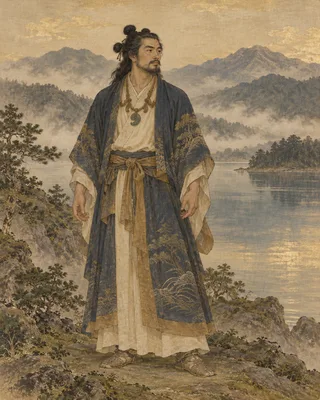
Takeminakata is the kami enshrined at Suwa Taisha, which introduces Takeminakata as a powerful kami who governs wind and rain and opened up Shinano. In the Kojiki, Takeminakata appears as a child of Ōkuninushi no Kami, and the story of the transfer of the land leads on to Suwa.
This page introduces myths and the faith handed down at individual shrines, with their sources. Descriptions of divine virtues are explanations within religious faith and do not guarantee the outcome of any prayer. We do not set uniform rules for the traditions or customs of individual shrines and temples.
English pages are the site’s own translations of its Japanese pages. The sources cited are in Japanese. 日本語で読む
The kami of the land of Suwa
Takeminakata is the kami enshrined at Suwa Taisha, which introduces Takeminakata as a powerful kami who governs wind and rain and opened up Shinano. In the Kojiki, Takeminakata appears as a child of Ōkuninushi no Kami, and the story of the transfer of the land leads on to Suwa.
Source: 諏訪大社・國學院大學
Prayers for farming and for contests
Suwa Taisha introduces faith connected with agriculture, hunting, seafaring, contests and more, and tells of the history of deep reverence from warrior families. Both the prayers that support life in the mountain villages and the faith in martial strength have been carried on.
Source: 諏訪大社
From the transfer of the land to Suwa
The Kojiki tells that, at the time of the transfer of the land, Takeminakata had a contest of strength with Takemikazuchi no Kami, was defeated, and fled to Suwa in Shinano. While introducing this story from the classics, we do not limit the broad faith that grew up in Suwa to this single scene.
Source: 國學院大學
An example of a chant (in Japanese)
祓え給い、清め給え、神(かむ)ながら守り給い、幸(さきわ)え給え
Related shrines and temples
- Chinzei Taisha Suwa JinjaNagasaki, Nagasaki Prefecture
- Suwa TaishaSuwa, Chino and Shimosuwa, Nagano Prefecture
- Shitori JinjaYurihama, Tōhaku District, Tottori Prefecture
- Hirota JinjaNishinomiya, Hyōgo Prefecture
- Kamikawa JinjaAsahikawa, Hokkaido
- Fukashi JinjaMatsumoto, Nagano Prefecture
- Suwa Jinja (Uozu)Uozu, Toyama Prefecture
- Sugawara JinjaIga, Mie Prefecture
- Ōmiya Hachimangū (Miki)Miki, Hyōgo Prefecture
Sources (in Japanese)
- 諏訪大社「諏訪信仰」(2026-10-15 確認)
- 國學院大學「建御名方神」(2026-10-15 確認)
- 國學院大學「古事記ビューアー・神名データベース「建御名方神」」(2026-10-15 確認)