
Kami (Shinto deity)
Uka no Mitama no Ōkami
宇迦之御魂大神
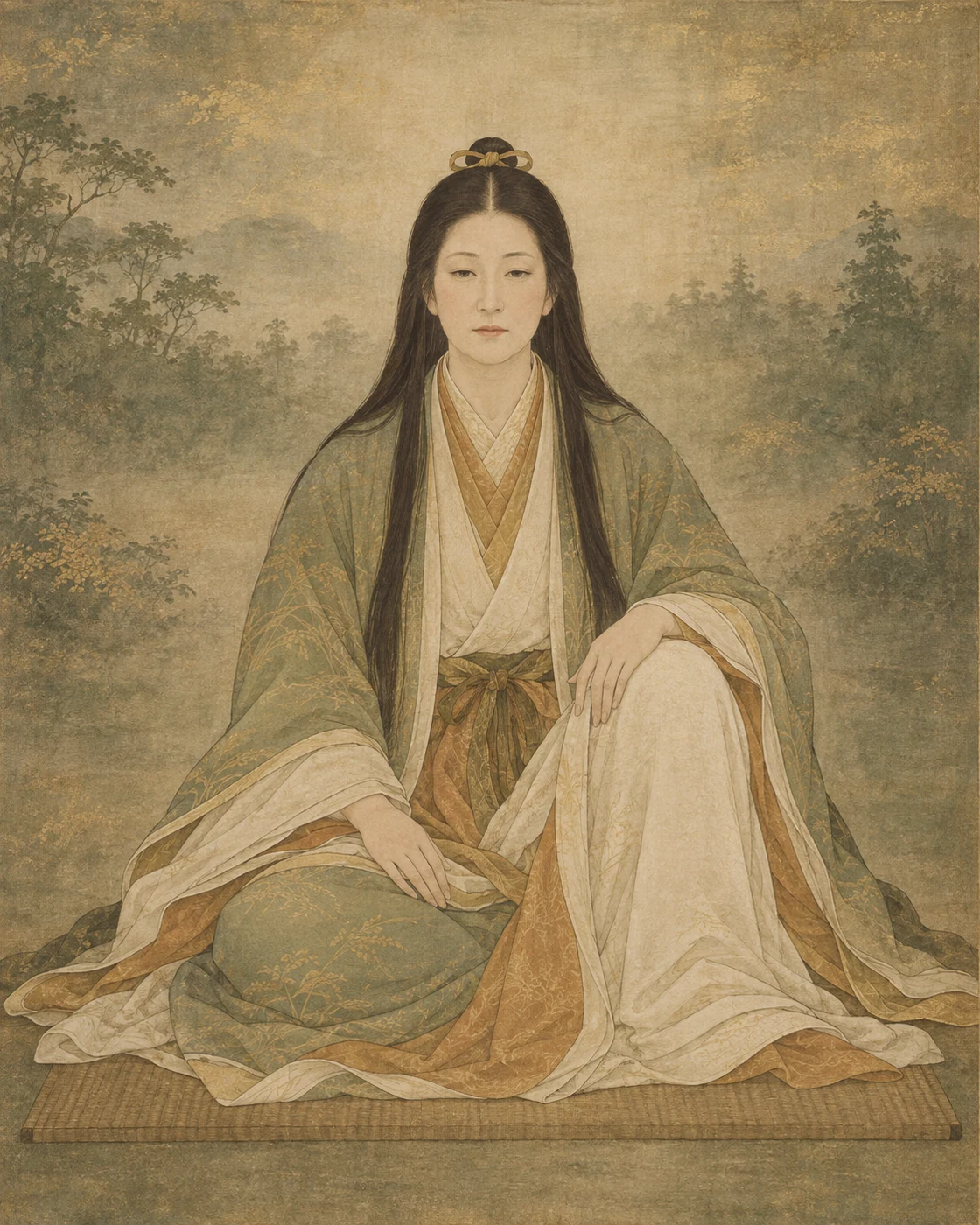
Uka no Mitama no Ōkami is a kami known for a connection with food, and especially with rice. At Fushimi Inari Taisha this kami is enshrined as the deity of the Shimosha (Lower Shrine), and the broad divine virtues of Inari Ōkami are told through the five enshrined deities.
This page does not equate Uka no Mitama no Ōkami alone with all Inari faith. The ways of enshrinement differ from shrine to shrine and from tradition to tradition.
English pages are the site’s own translations of its Japanese pages. The sources cited are in Japanese. 日本語で読む
A kami who supports rice and food
An explanation by Kokugakuin University describes Uka no Mitama as a kami related to food, and in particular as a kami representing the spirit of rice. At Fushimi Inari Taisha, Uka no Mitama no Ōkami is the deity of the Shimosha (Lower Shrine), enshrined at the center of the main hall. The shrine's five enshrined deities are said to express the divine virtues of Inari Ōkami, each in the form of its own divine name.
Source: 國學院大學・伏見稲荷大社
From abundant harvests to business and peace at home
The Inari faith introduced by Fushimi Inari Taisha includes wishes for abundant harvests of the five grains, prosperous business, and safety and peace in the household. It suggests that a faith protecting the fruits of the fields and food has broadened into prayers that support people's work and lives. This is faith in Inari Ōkami as explained by that shrine; it does not mean that the enshrined deities or rites are the same at every Inari shrine.
Source: 伏見稲荷大社・伏見稲荷大社
The rice cake that became a white bird, and the rice that grew on the mountain
Fushimi Inari Taisha introduces an origin story found in a surviving fragment of the Yamashiro no Kuni Fudoki. An ancestor of the Hata clan shot at a rice cake used as a target; the rice cake turned into a white bird and flew away, and rice grew on the mountain where it came down. This tradition links the name "Inari" with rice; it is not a story about the life of Uka no Mitama no Ōkami as an individual. The shrine regards the Hatsuuma (first Day of the Horse) of 711 as the traditional date of its enshrinement.
Source: 伏見稲荷大社
Foxes are messengers of the kami
Because of the fox statues, people sometimes think that Oinari-sama is the fox itself. Fushimi Inari Taisha regards foxes as messengers of Inari Ōkami and distinguishes them from the kami itself. Looking separately at the form of the kami, its messengers, and the goshintai (the sacred object of worship) makes it easier to understand the meaning of how Inari is enshrined.
Source: 伏見稲荷大社
The parent kami seen in the Kojiki
In the genealogy of Susanoo no Mikoto in the first volume, it is recorded that Ōtoshi no Kami and then Uka no Mitama were born to him and Kamuōichihime. This passage contains no story about the founding of Inari shrines or about foxes. Explanations of Inari faith are based on the histories of individual shrines.
Source: 國學院大學
A historical connection with Ugajin
An explanation by Kokugakuin University records that in the medieval period this kami became linked with Ugajin and Uga Benzaiten. Faith in Ugajin, who is depicted with a human head and a serpent's body, can be followed on a separate introduction page. This does not merge all Inari faith or all forms of enshrinement into one.
Source: 國學院大學・國學院大學
An example of a chant (in Japanese)
祓え給い、清め給え、神(かむ)ながら守り給い、幸(さきわ)え給え
Related shrines and temples
- Fushimi Inari TaishaKyoto, Kyoto Prefecture
- Yūtoku Inari JinjaKashima, Saga Prefecture
- Takabe JinjaMinamibōsō, Chiba Prefecture
- Kasama Inari JinjaKasama, Ibaraki Prefecture
- Taikodani Inari JinjaTsuwano, Kanoashi District, Shimane Prefecture
- Futami Okitama JinjaIse, Mie Prefecture
- Takaoka Sekino JinjaTakaoka, Toyama Prefecture
- Kawaguchi JinjaKawaguchi, Saitama Prefecture
- Namiyoke Inari JinjaChūō, Tokyo
- Haguro Jinja (Suzu)Suzu, Ishikawa Prefecture
- Kozuchi JinjaŌtsuchi, Kamihei District, Iwate Prefecture
- Hayama JinjaKesennuma, Miyagi Prefecture
- Kanmuri Inari JinjaŌta, Gunma Prefecture
- Obiki Inari JinjaTatebayashi, Gunma Prefecture
- Yukura JinjaHakodate, Hokkaido
- Sakuragi JinjaNoda, Chiba Prefecture
- Koami JinjaChūō, Tokyo
- Senju JinjaAdachi, Tokyo
- Kata JinjaToba, Mie Prefecture
- Genkurō Inari JinjaYamatokōriyama, Nara Prefecture
- Takayama Inari JinjaTsugaru, Aomori Prefecture
- Kinpō JinjaNikaho, Akita Prefecture
- Asaka Kunitsuko JinjaKōriyama, Fukushima Prefecture
- Karasumori JinjaMinato, Tokyo
- Jūban Inari JinjaMinato, Tokyo
- Tsumakoi JinjaBunkyō, Tokyo
- Tokumochi JinjaŌta, Tokyo
- Owase JinjaOwase, Mie Prefecture
- KinsatsugūFushimi, Kyoto, Kyoto Prefecture
- Aitsuchi JinjaYawata, Kyoto Prefecture
- Ōta JinjaŌta, Tokyo
Related kami and buddhas
Sources (in Japanese)
- 伏見稲荷大社「ご祭神」(2026-10-14 確認)
- 國學院大學「Encyclopedia of Shinto:Ukanomitama」(2026-10-14 確認)
- 伏見稲荷大社「伏見稲荷大社とは」(2026-10-15 確認)
- 伏見稲荷大社「よくあるご質問」(2026-10-14 確認)
- 國學院大學「古事記ビューアー・神名データベース「宇迦之御魂神」」(2026-10-15 確認)
- 國學院大學「『古事記』上巻・須賀の宮②(校訂本文)」(2026-10-15 確認)
- 國學院大學「古事記ビューアー・神名データベース「宇迦之御魂神」」(2026-10-15 確認)
- 國學院大學「Encyclopedia of Shinto:Ugajin」(2026-10-20 確認)