
Kami (Shinto deity)
Hachiman Ōkami
八幡大神
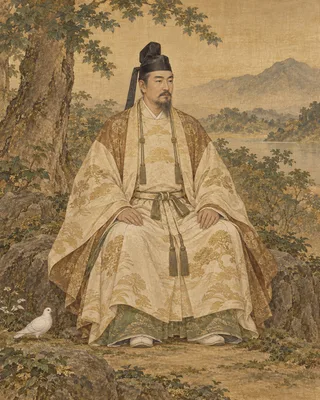
Iwashimizu Hachimangū enshrines Emperor Ōjin, Hime Ōkami, and Empress Jingū, and Hakozakigū enshrines Emperor Ōjin, Empress Jingū, and Tamayorihime no Mikoto. This page is presented as an introduction to Hachiman Ōkami and does not treat the make-up of each shrine's enshrined deities as uniform.
This page introduces myths and the faith handed down at individual shrines, with their sources. Descriptions of divine virtues are explanations within religious faith and do not guarantee the outcome of any prayer. We do not set uniform rules for the traditions or customs of individual shrines and temples.
English pages are the site’s own translations of its Japanese pages. The sources cited are in Japanese. 日本語で読む
Hachiman faith handed down in many places
Iwashimizu Hachimangū enshrines Emperor Ōjin, Hime Ōkami, and Empress Jingū, and Hakozakigū enshrines Emperor Ōjin, Empress Jingū, and Tamayorihime no Mikoto. This page is presented as an introduction to Hachiman Ōkami and does not treat the make-up of each shrine's enshrined deities as uniform.
Source: 石清水八幡宮・筥崎宮
Prayers for warding off misfortune and for protection
Iwashimizu Hachimangū speaks of the protection of the nation, warding off misfortune and opening up one's fortune, and the reverence of the warrior class, and Hakozakigū also introduces faith in warding off misfortune and in fortune in victory. Here these are shown as divine virtues handed down at each shrine, not as promises about the outcome of prayers.
Source: 石清水八幡宮・筥崎宮
Enshrinement on Otokoyama
According to the history of Iwashimizu Hachimangū, the monk Gyōkyō, who had prayed at Usa, received an oracle and enshrined Hachiman Ōkami on Otokoyama. This founding tradition of the shrine also conveys a history in which faith in kami and faith in buddhas have been intertwined.
Source: 石清水八幡宮
An example of a chant (in Japanese)
祓え給い、清め給え、神(かむ)ながら守り給い、幸(さきわ)え給え
Related shrines and temples
- Ōsaki HachimangūSendai, Miyagi Prefecture
- Usa JingūUsa, Ōita Prefecture
- Tsurugaoka HachimangūKamakura, Kanagawa Prefecture
- Kagoshima JingūKirishima, Kagoshima Prefecture
- Kehi JingūTsuruga, Fukui Prefecture
- Hikoshima HachimangūShimonoseki, Yamaguchi Prefecture
- Sueyama JinjaArita, Saga Prefecture
- Iwashimizu HachimangūYawata, Kyoto Prefecture
- Fujisaki HachimangūChūō, Kumamoto, Kumamoto Prefecture
- Morioka HachimangūMorioka, Iwate Prefecture
- Yokoyama HachimangūMiyako, Iwate Prefecture
- Ōnominato JinjaKanazawa, Ishikawa Prefecture
- Kaibara HachimangūTanba, Hyōgo Prefecture
- Kōsō Hachiman JinjaMoji, Kitakyushu, Fukuoka Prefecture
- Matsuho JinjaAwaji, Hyōgo Prefecture
- Iminomiya JinjaShimonoseki, Yamaguchi Prefecture
- HakozakigūHigashi, Fukuoka, Fukuoka Prefecture
- Kotonomama HachimangūKakegawa, Shizuoka Prefecture
- Tamamura HachimangūTamamura, Sawa District, Gunma Prefecture
- Yatsurugi Hachiman JinjaKisarazu, Chiba Prefecture
- Yusuhara HachimangūŌita, Ōita Prefecture
- Kō HachimangūKurashiki, Okayama Prefecture
- Isaniwa JinjaMatsuyama, Ehime Prefecture
- Kunigami JinjaSakai, Fukui Prefecture
- Nasu JinjaŌtawara, Tochigi Prefecture
- Hachiman Kamado JinjaBeppu, Ōita Prefecture
- Eboshiyama HachimangūNan'yō, Yamagata Prefecture
- Kameyama JinjaKure, Hiroshima Prefecture
- Nōso HachimangūIizuka, Fukuoka Prefecture
- Umi HachimangūUmi, Kasuya District, Fukuoka Prefecture
- Hirota JinjaNishinomiya, Hyōgo Prefecture
- Himure HachimangūŌmihachiman, Shiga Prefecture
- Hiratsuka HachimangūHiratsuka, Kanagawa Prefecture
- Niu Kanshōbu JinjaKudoyama, Ito District, Wakayama Prefecture
- Obiki Inari JinjaTatebayashi, Gunma Prefecture
- Kashii-gūHigashi, Fukuoka, Fukuoka Prefecture
- Kushihiki HachimangūHachinohe, Aomori Prefecture
- Nezu JinjaBunkyō, Tokyo
- Ana HachimangūShinjuku, Tokyo
- Ichigaya Kameoka HachimangūShinjuku, Tokyo
- Imado JinjaTaitō, Tokyo
- Tomioka HachimangūKōtō, Tokyo
- Setagaya HachimangūSetagaya, Tokyo
- Konnō HachimangūShibuya, Tokyo
- Yoyogi HachimangūShibuya, Tokyo
- Ōmiya HachimangūSuginami, Tokyo
- Tomioka Hachimangū (Kanazawa Ward, Yokohama)Kanazawa, Yokohama, Kanagawa Prefecture
- Chikatsuo JinjaŌtsu, Shiga Prefecture
- Fujinomori JinjaFushimi, Kyoto, Kyoto Prefecture
- Mitsu-gūChūō, Osaka, Osaka Prefecture
- Konda HachimangūHabikino, Osaka Prefecture
- Tsuruhane JinjaHigashi Ward, Hiroshima, Hiroshima Prefecture
- Asahiyama JinjaNishi Ward, Hiroshima, Hiroshima Prefecture
- Asaka Kunitsuko JinjaKōriyama, Fukushima Prefecture
- Nihonmatsu JinjaNihonmatsu, Fukushima Prefecture
- Gyōda Hachiman JinjaGyōda, Saitama Prefecture
- Takeshino JinjaNiiza, Saitama Prefecture
- Hachiman Yakumo JinjaHachiōji, Tokyo
- Yagara HachimangūMachida, Tokyo
- Kōzu-gūChūō, Osaka, Osaka Prefecture
- Kameyama HachimangūShimonoseki, Yamaguchi Prefecture
- Igusa HachimangūSuginami, Tokyo
- Kikuna JinjaKōhoku, Yokohama, Kanagawa Prefecture
- Sakurayama HachimangūTakayama, Gifu Prefecture
- Wakamiya HachimanshaNaka, Nagoya, Aichi Prefecture
- Owase JinjaOwase, Mie Prefecture
- Sugawara JinjaIga, Mie Prefecture
- Ōmiya Hachimangū (Miki)Miki, Hyōgo Prefecture
- Suda Hachiman JinjaHashimoto, Wakayama Prefecture
- Tanakayama JinjaAsaminami, Hiroshima
- Fukuyama HachimangūFukuyama, Hiroshima Prefecture
- Gokōnomiya JinjaFushimi, Kyoto
- Ōta JinjaŌta, Tokyo
- Mikadonushihiko JinjaAnamizu, Hōsu District, Ishikawa Prefecture
- Tsutsui Hachiman JinjaChūō, Kobe, Hyōgo Prefecture
- Ishiura JinjaKanazawa, Ishikawa Prefecture
Sources (in Japanese)
- 石清水八幡宮「石清水八幡宮について」(2026-10-15 確認)
- 筥崎宮「筥崎宮について」(2026-10-15 確認)